How Casino Slotvibe Deceived the Market: Exposing the Scheme and Lessons for Partners
Introduction
At ORION Partners, we prioritize our affiliates by ensuring timely payouts and transparent terms of cooperation. We are willing to shoulder risks so that our partners can operate confidently and without delays. However, we recently encountered a shocking case of deceit from Casino Slotvibe, which serves as a warning for everyone in the industry.
Timeline of Events
July 2024: A Promising Start
• In July, we met with Slotvibe’s manager Nolan at a conference in Amsterdam and immediately started working together. The initial campaign showed excellent results in terms of conversion and response from their team. Everything was prompt and efficient, and all issues were resolved quickly. The traffic quality was confirmed, and we were looking forward to continued cooperation.
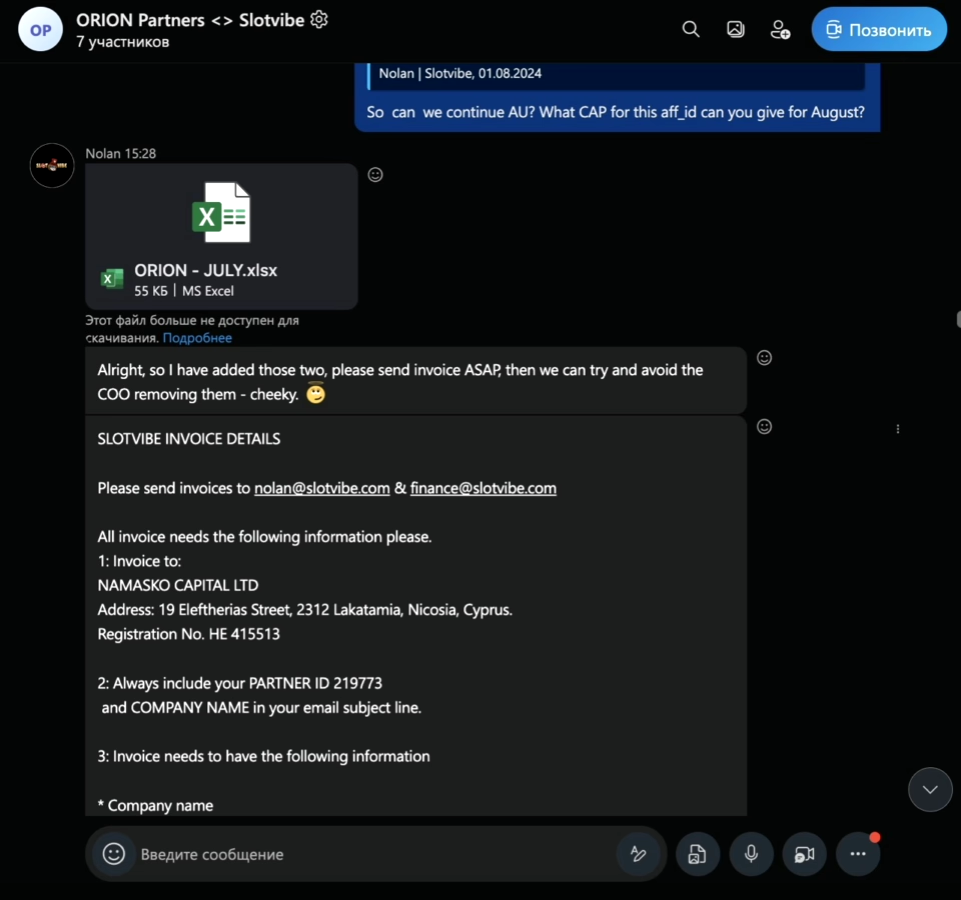
• On August 1st, we reconciled the results for the first month. After excluding multi-accounts and two disputed FTDs, we agreed on a final payment of 26 FTDs. The client confirmed the reconciliation and urged us to issue the invoice promptly for a swift payment.
August 2: Invoice Issuance
• We promptly issued the invoice and sent it via email and chat. Trusting the client, we fulfilled all our obligations to our traffic teams, paying them their earnings immediately after traffic approval.
August 6: Request for New Caps and First Signs of Trouble
• We requested a new cap for August and clarified the payment terms. We were told that reconciliations occur from the 6th to 8th, and payments are made after the 20th, provided the invoice is submitted on time. The invoice was sent on August 2.
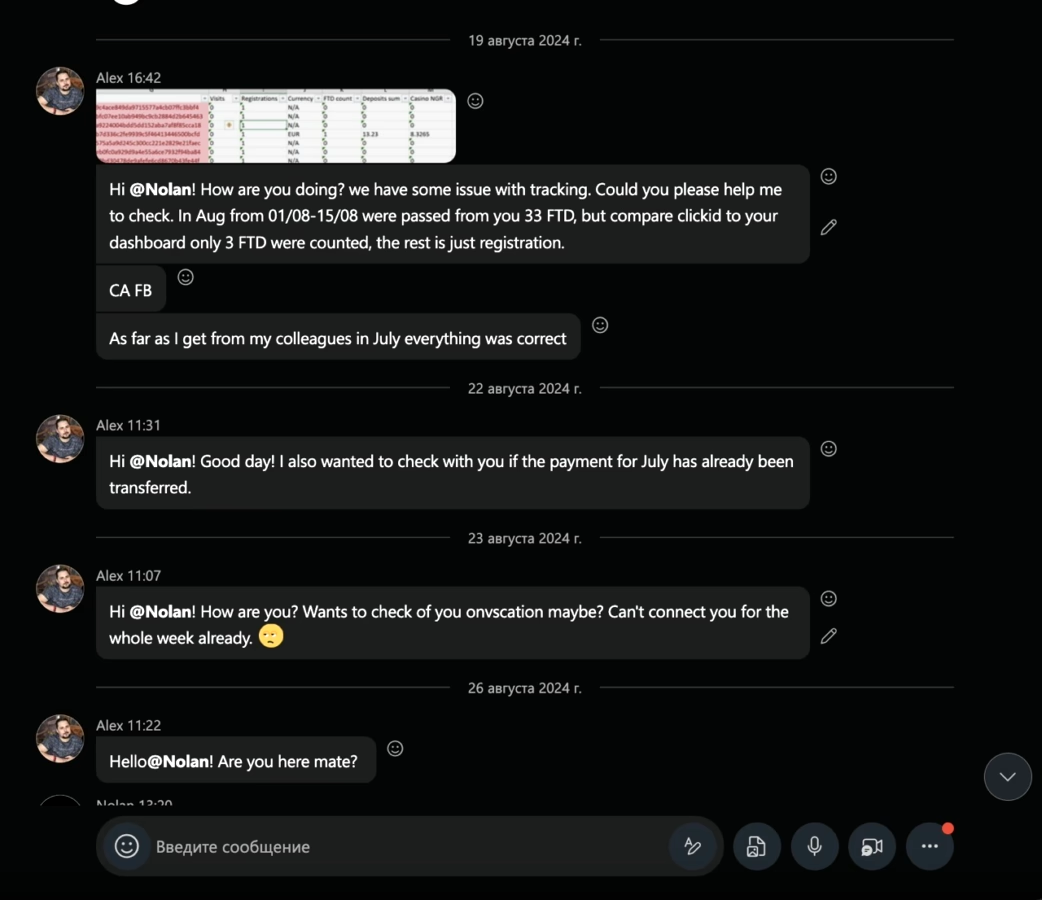
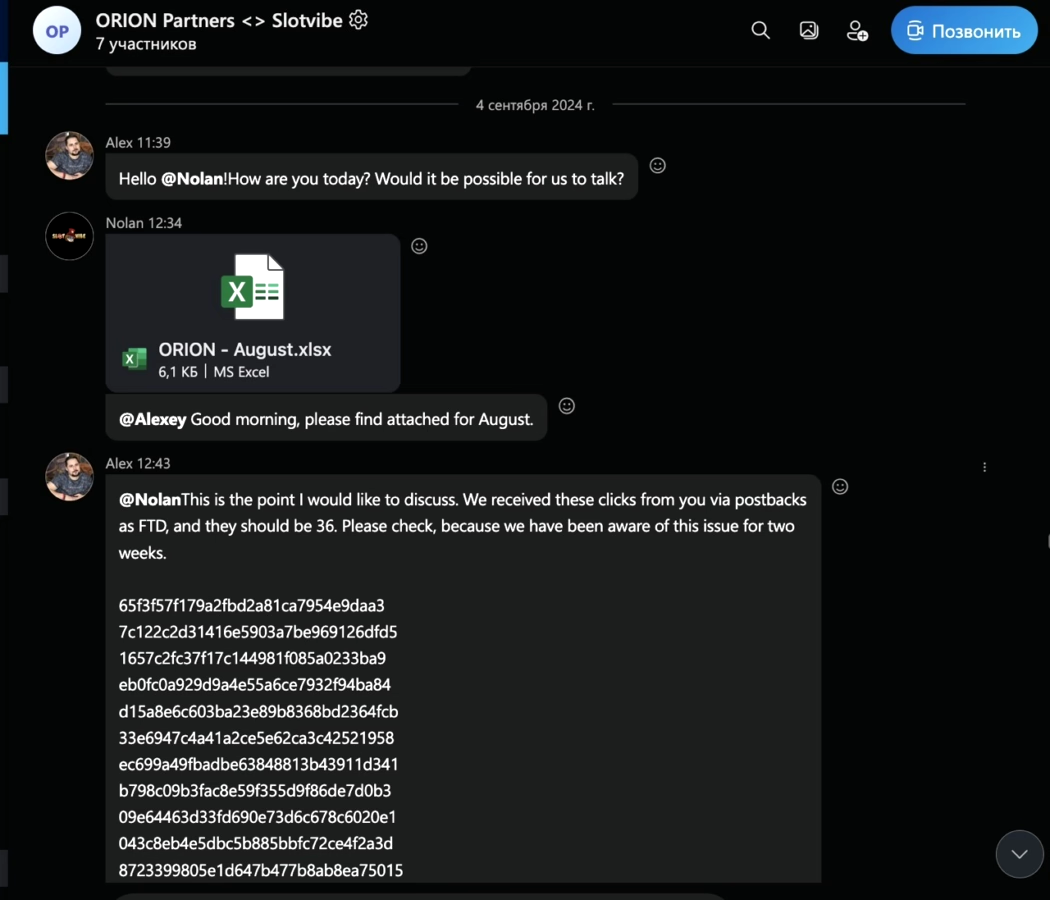
• However, on August 19, after a new campaign launch, we discovered discrepancies in the data: 30 FTDs were missing from the advertiser’s system. This was unusual since the postback had worked flawlessly in July.
August 19–26: Silence and Growing Suspicion
• We attempted to contact the advertiser through all available channels but received no response. Simultaneously, we tried to get information about the delayed July payment.
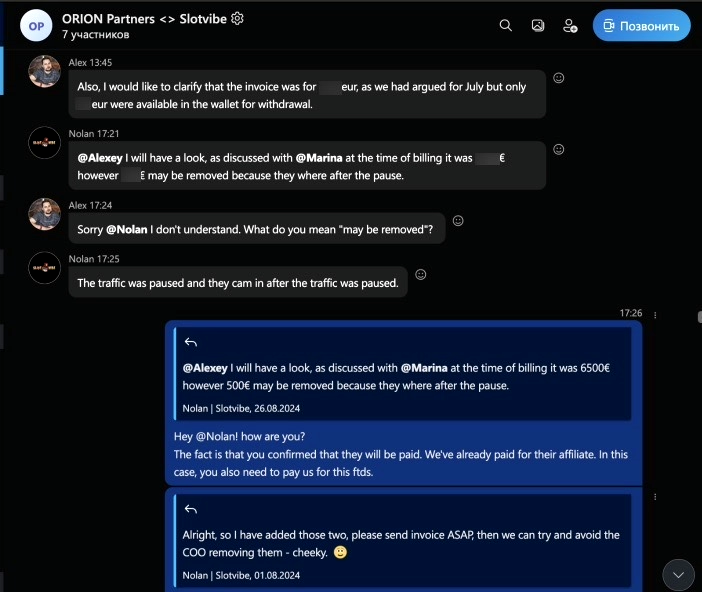
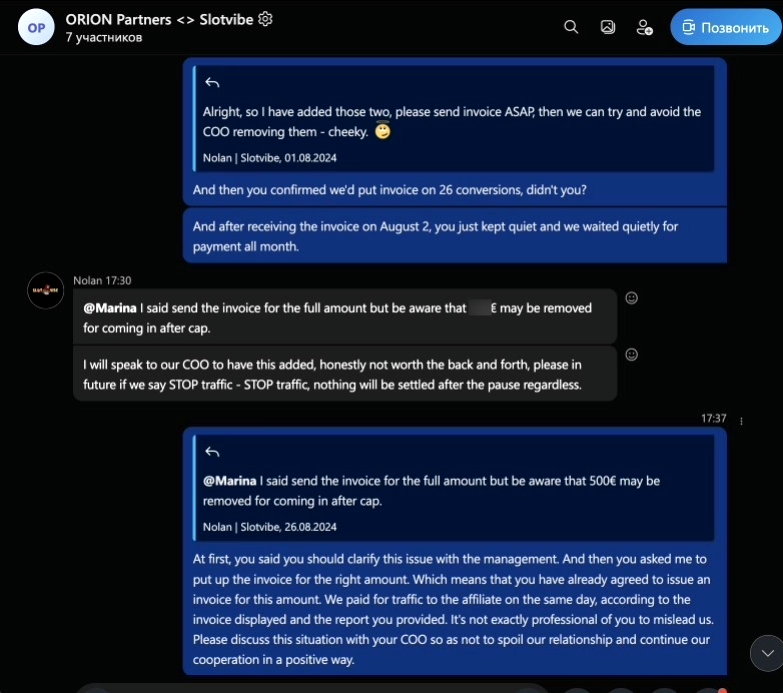
• On August 26, after reaching out to affiliate communities for additional contacts, another manager from the company, Samantha, contacted us and promised to resolve the issue. Around the same time, our original manager, Nolan, returned to the chat and informed us that the reconciliation for July did not match their internal data and proposed reducing the previously agreed amount, which was completely unacceptable.
August 30 – September 4: Worsening Situation
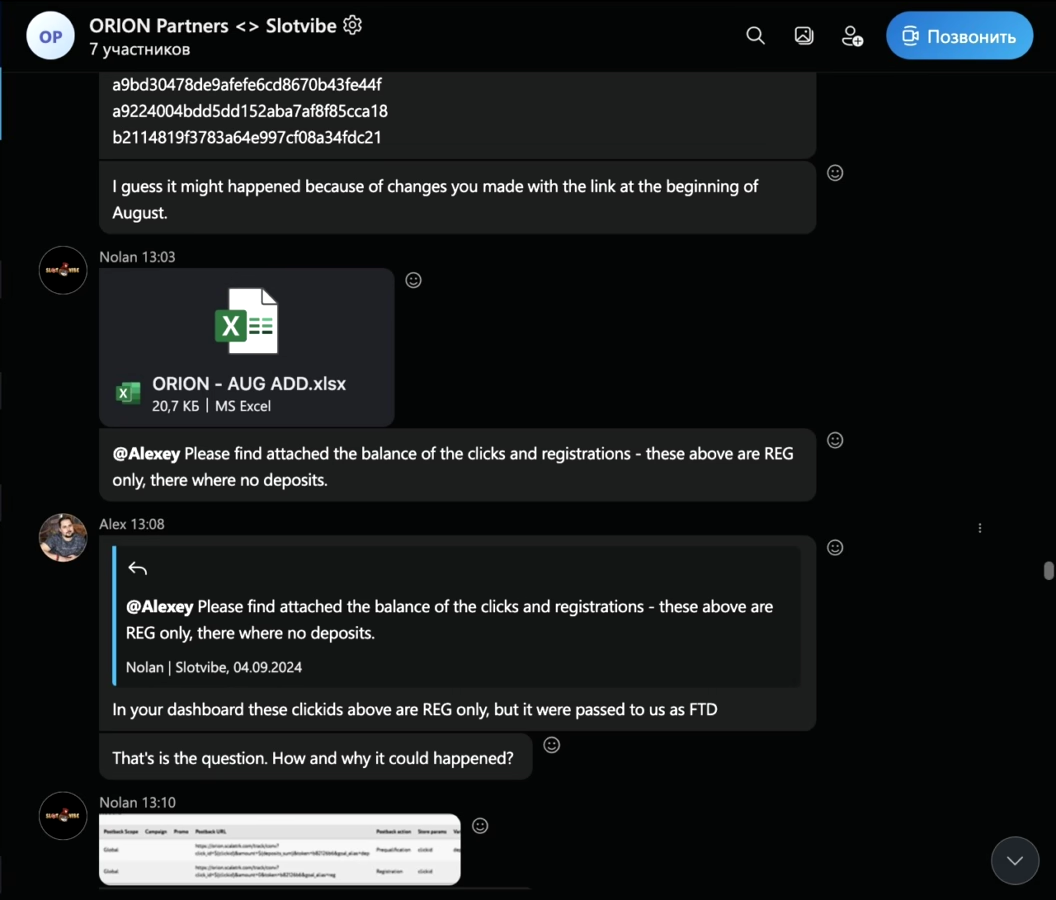
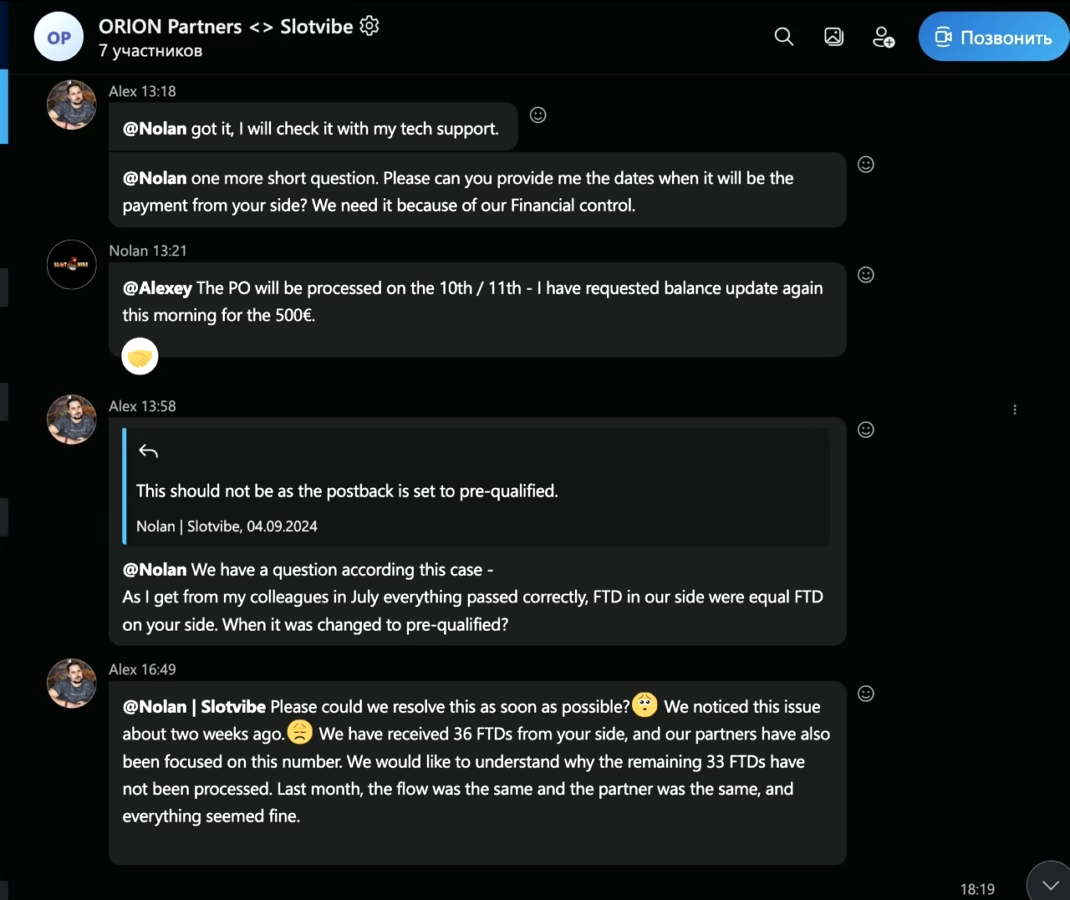
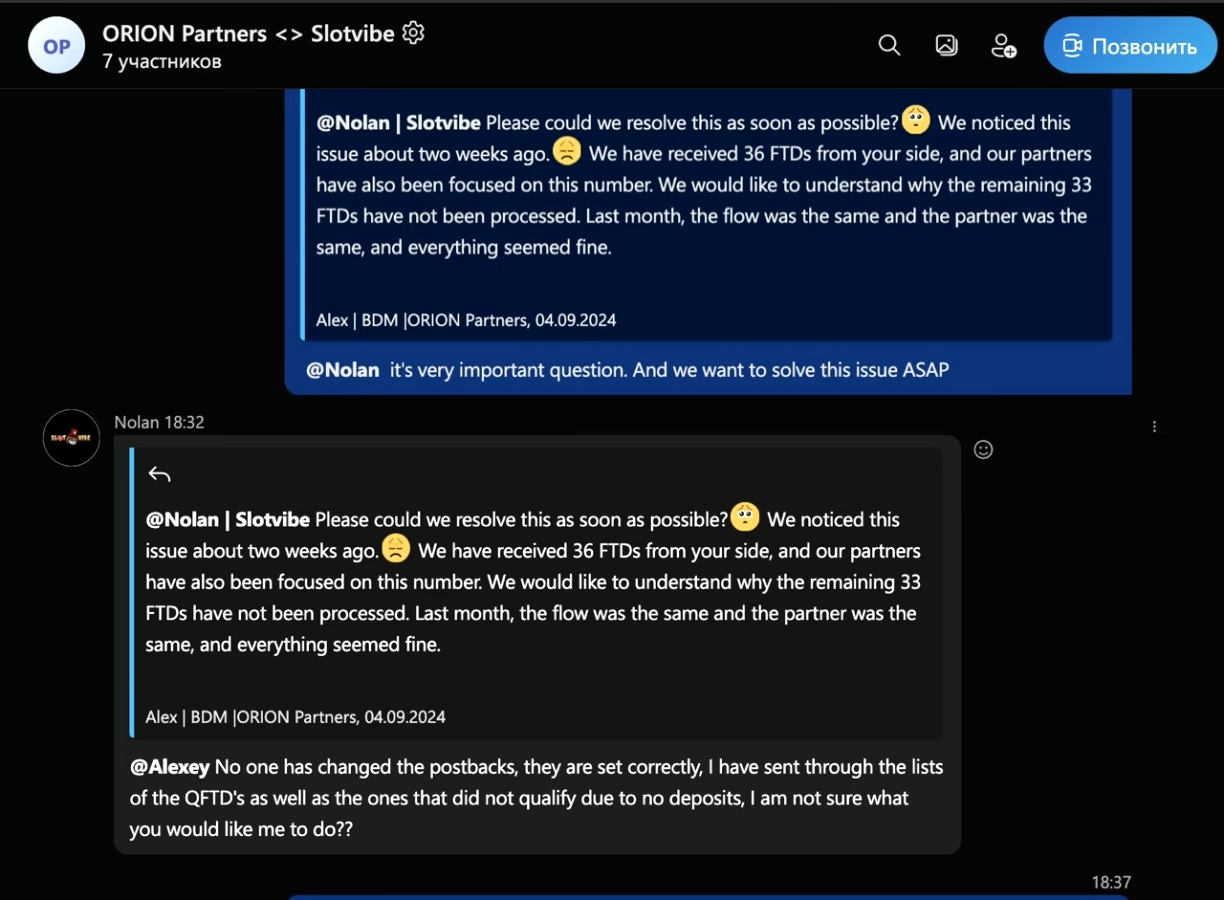
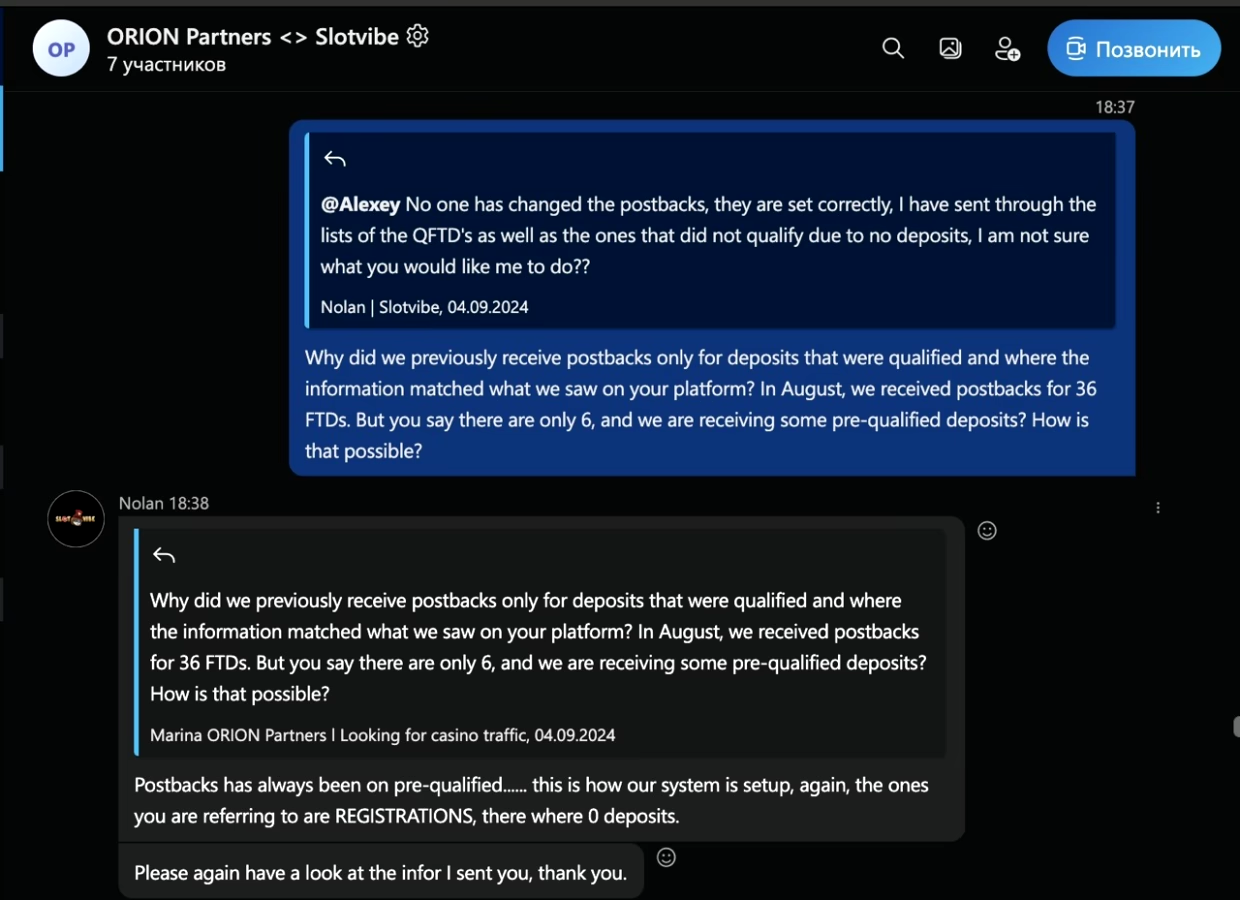
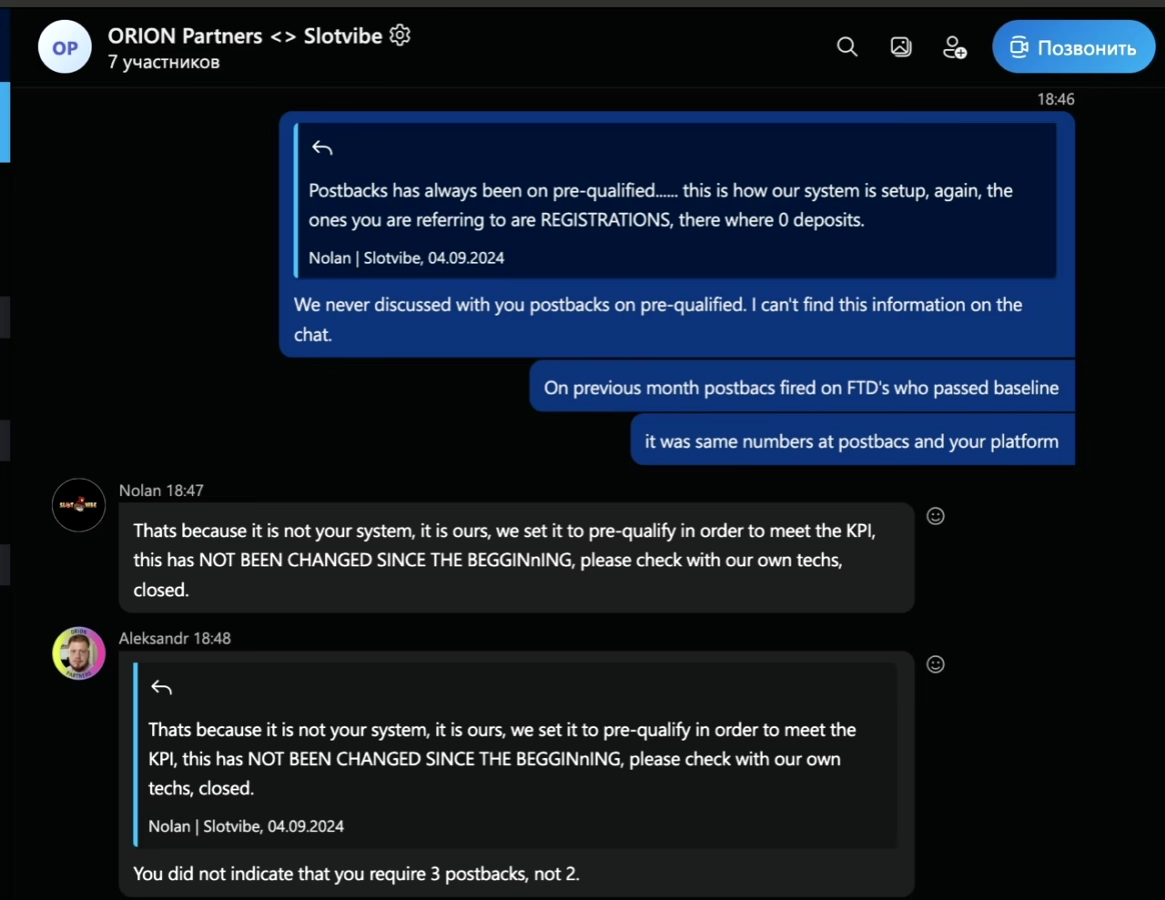
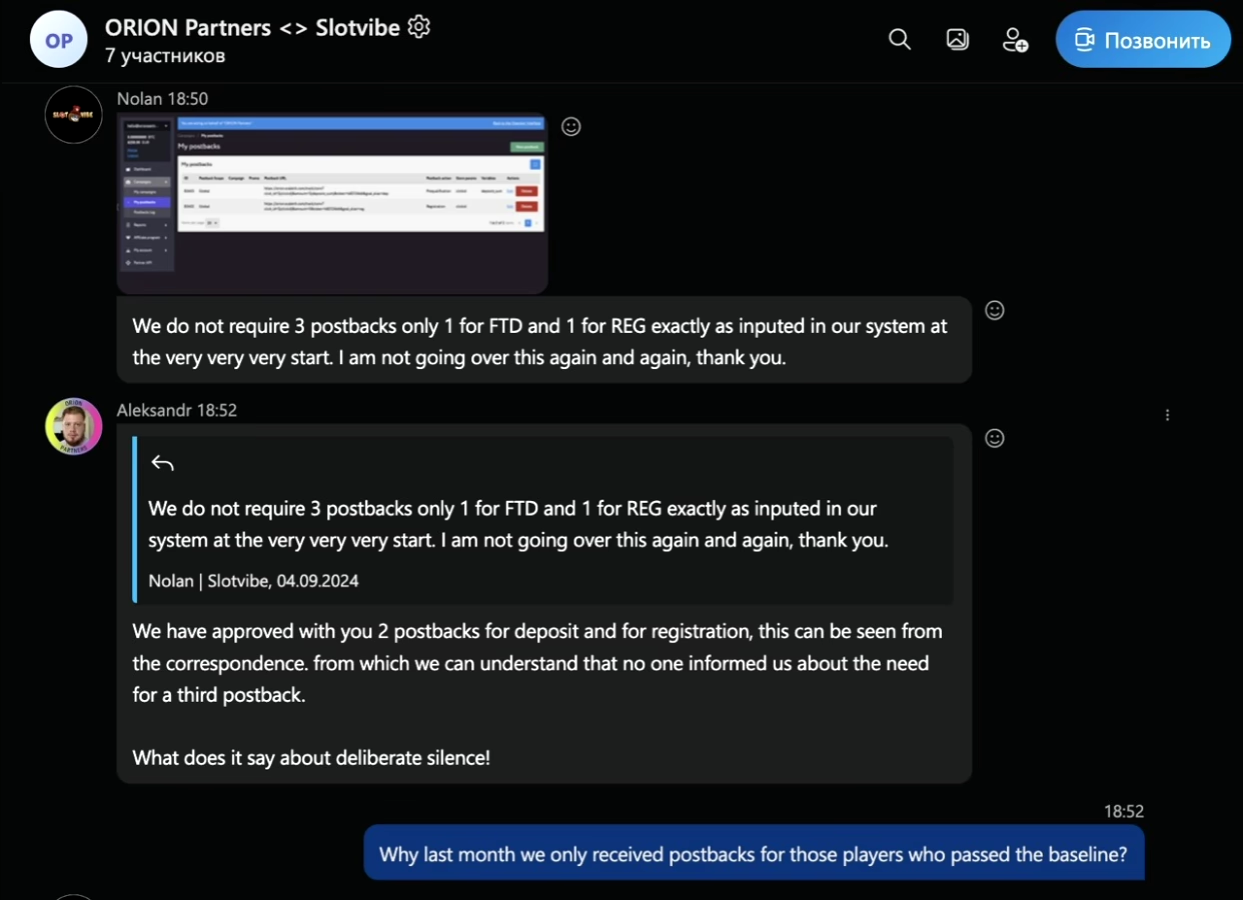
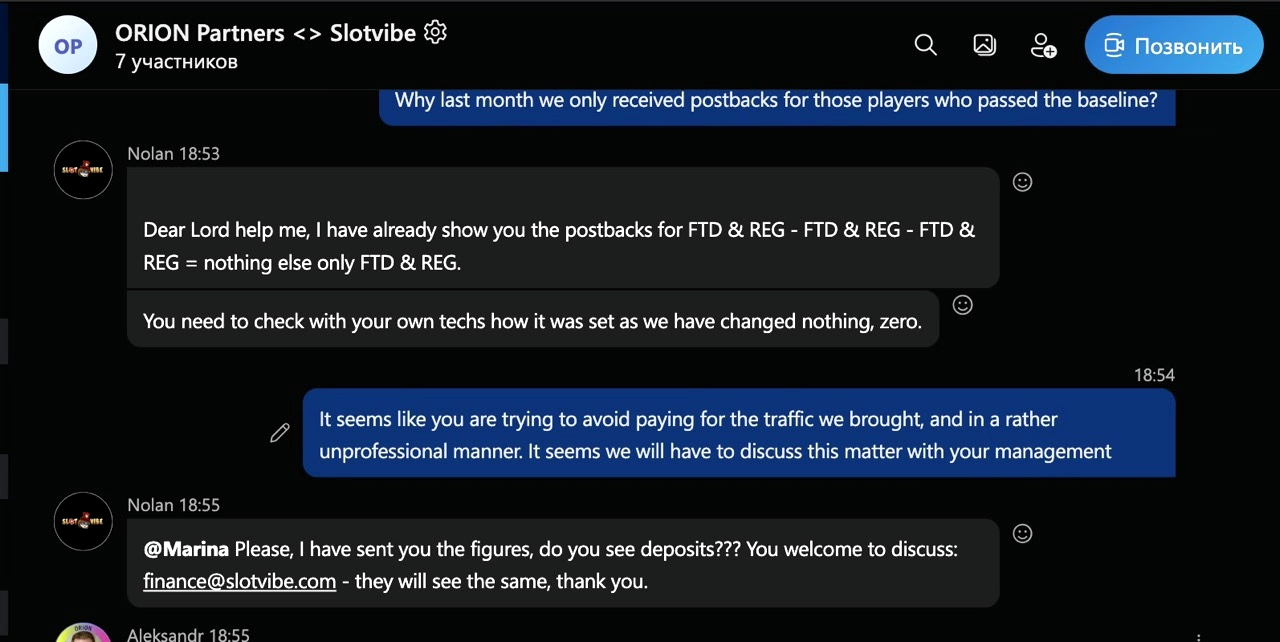
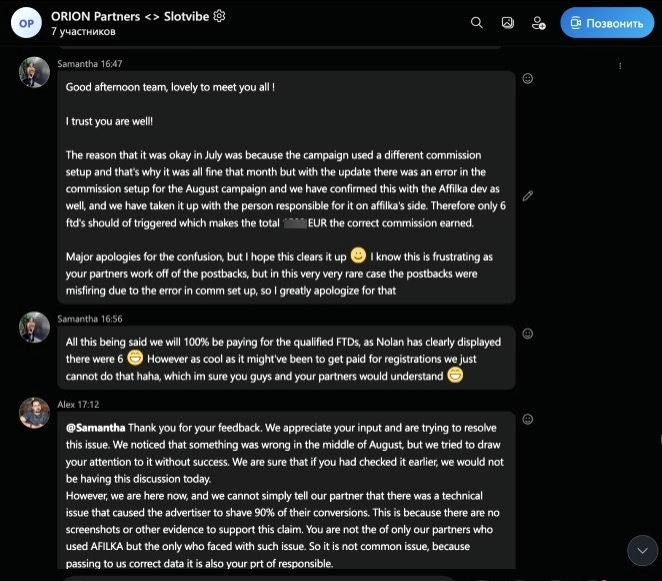
• We continued to address the discrepancies but were again met with silence. On September 4, the advertiser sent us a reconciliation for August, claiming that all deposits reported via postbacks were actually “pre-qualifications,” which was never mentioned before. They refused to pay for 30 deposits, stating that the postback was initially set up incorrectly on our side and that nothing had changed on theirs, despite our attempts to prove otherwise.
September 10: Confirming the Problem
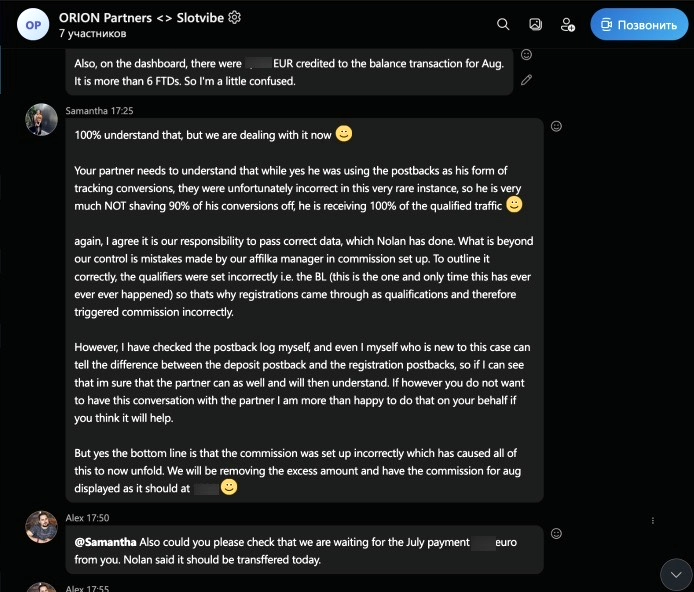
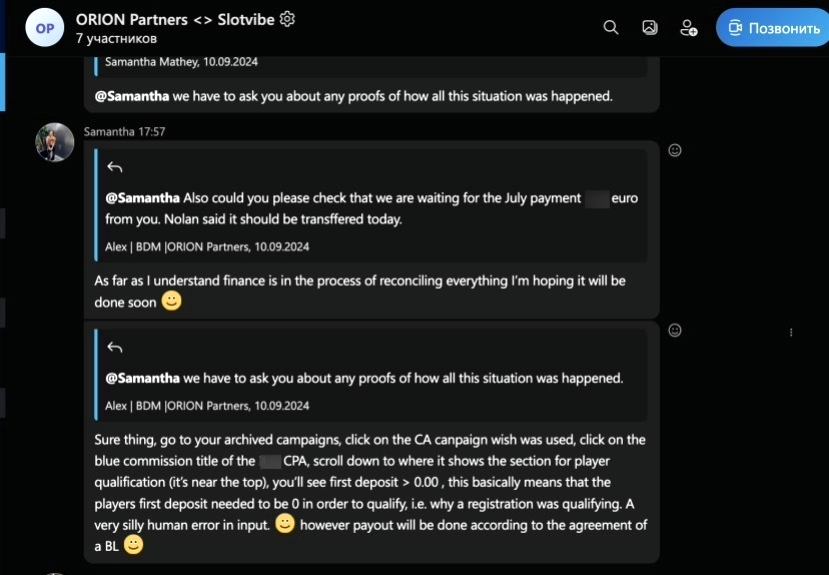
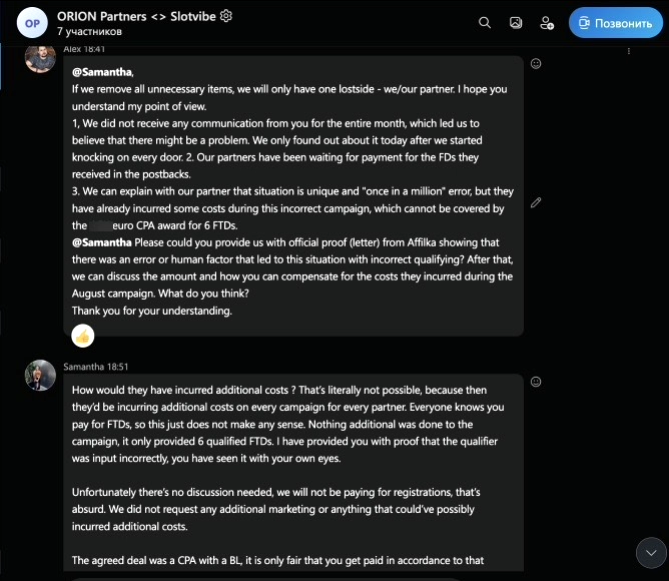
• Samantha was added to the chat and explained that a human error on Affilka’s side led to only 6 FTDs being credited instead of 36. However, no concrete evidence was provided. Given that the product was for sale, we now suspect that the numbers were inflated to deceive investors and create high performance metrics for the casino.
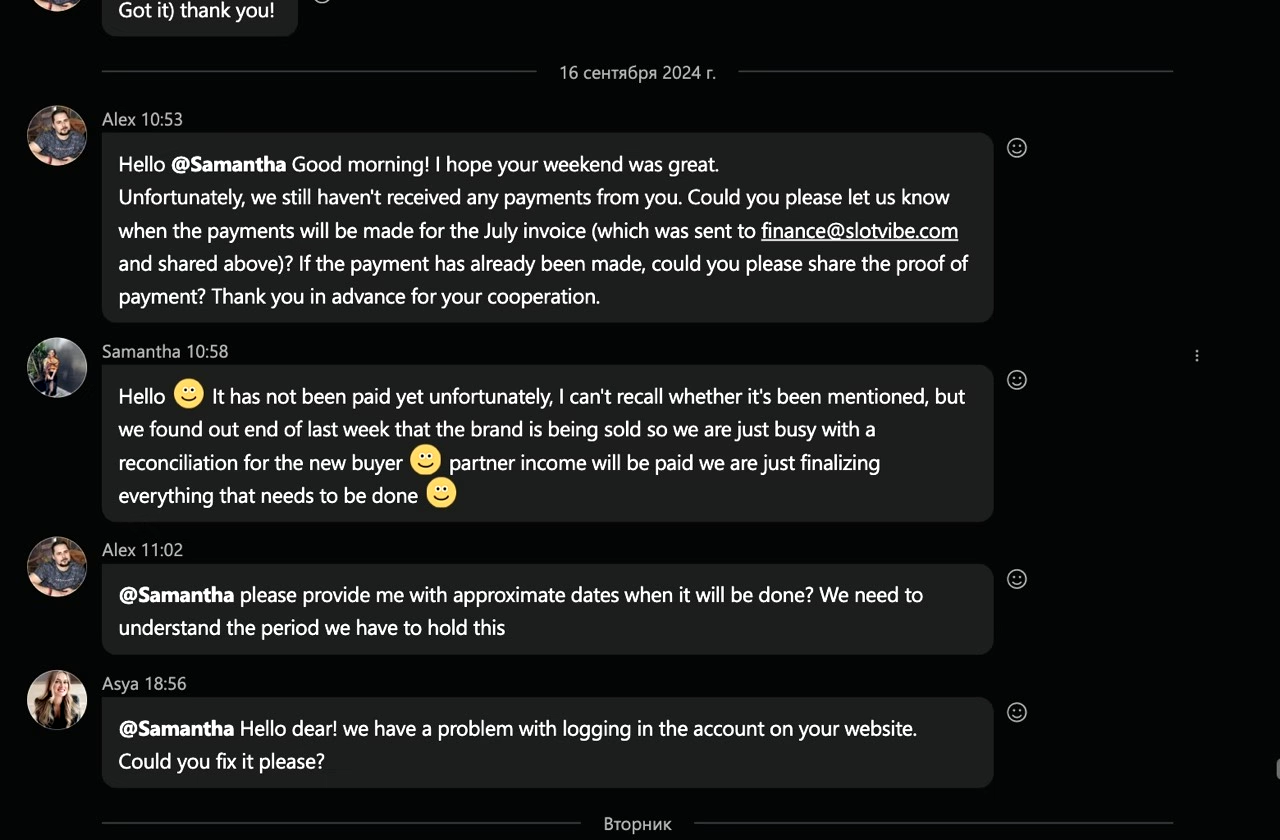
September 16: Access Issues and Threat of Media Exposure
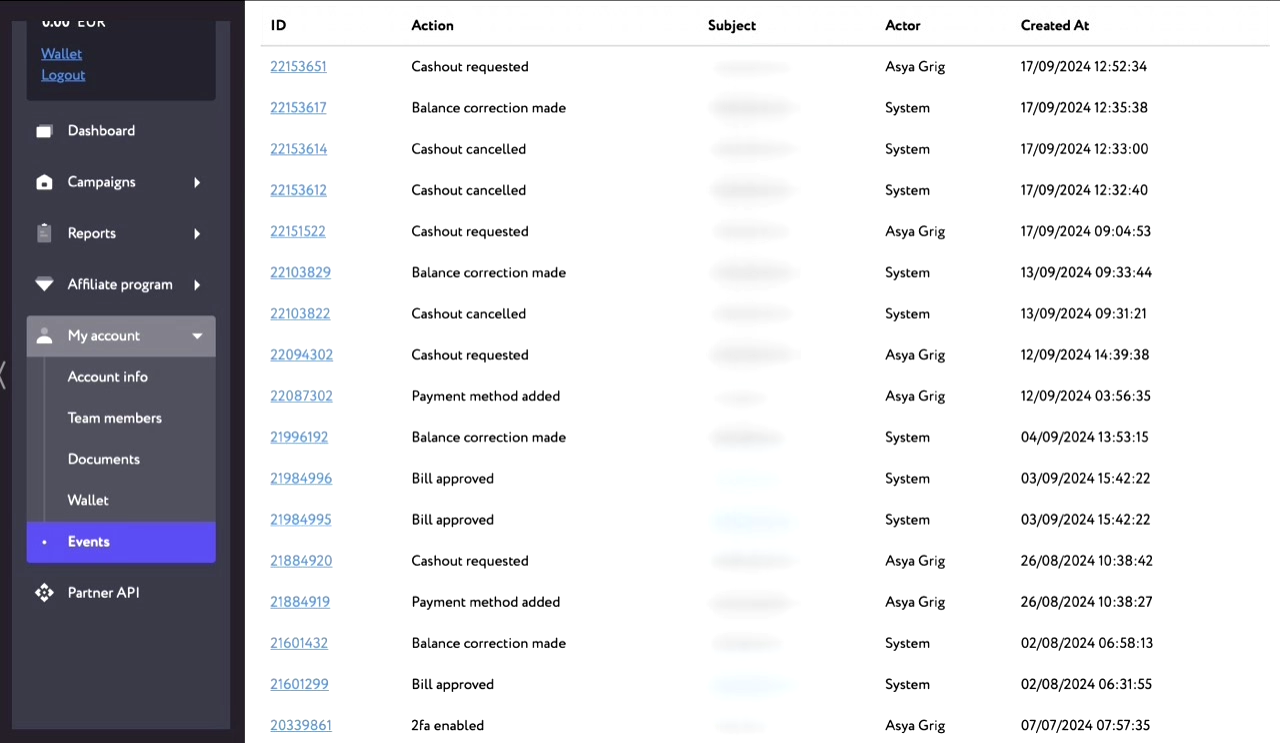
• On September 16, we were told that the brand was being sold and they offered to pay only 70% of the amount they “deemed appropriate,” without specifying any payment deadlines. All attempts to clarify were met with “wait.” Meanwhile, we faced issues accessing our advertiser account, which deepened our concerns about the client’s honesty. Access was later restored, but the statistics were significantly different.
September 17: Final Ultimatum
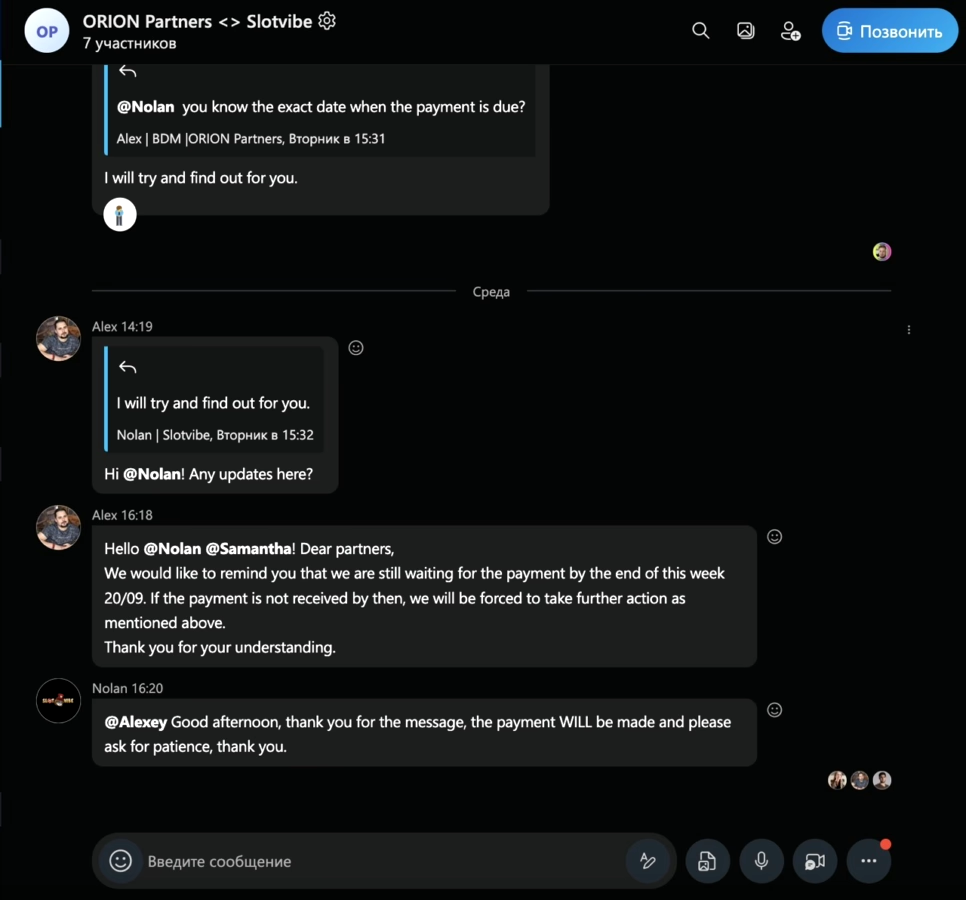
• We gave the client until September 20 to make the payment; otherwise, we threatened to go public with their fraudulent actions. In response, we received a request to send a new invoice for an amount that did not even cover the basic obligations, and to date, no payment has been received
September 25: Empty Promises to Buy Time
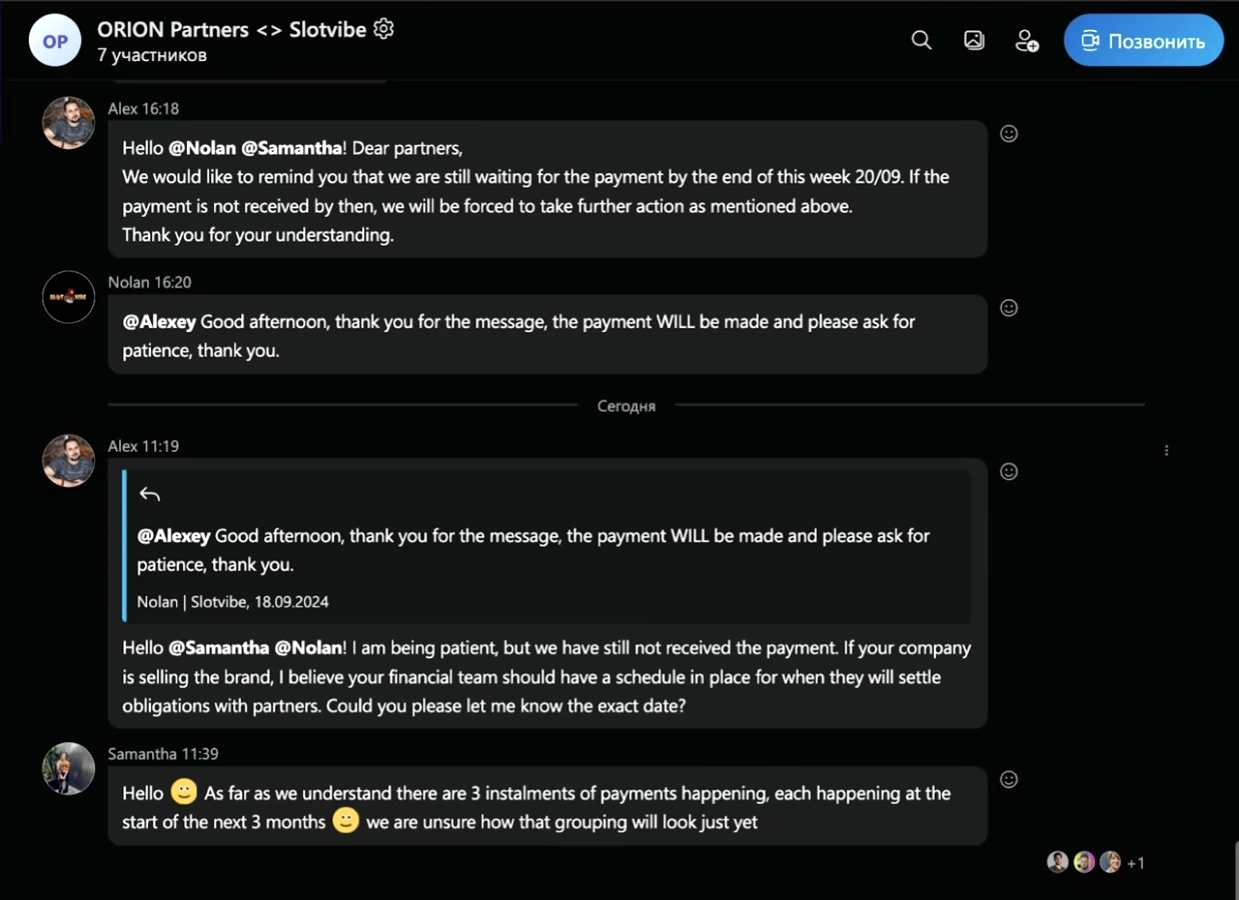
• When we inquired about the payment deadlines, the response was vague, suggesting that the payment would “likely be made within three months” — which, in our experience, translates to “never.”
Exposing the “Bubble” Scheme
In our view, the scheme used by Slotvibe was as follows:
1. Attracting Partners and Increasing Traffic. The client offered attractive terms and high payouts to draw in as many teams as possible. This created the appearance of great interest in the product and high traffic metrics.
2. Manipulating Data and Reports. After the initial campaigns, Slotvibe confirmed the results but then started manipulating figures, blaming partners for technical issues and discrepancies. Numbers in the dashboard constantly changed, allocations disappeared and were replaced with much lower amounts. We believe they used “pre-quals” and other tricks to avoid paying for real traffic while showing inflated numbers to investors.
3. Creating a “Bubble” to Sell the Brand. By manipulating data and showcasing high growth in traffic and activity, they likely tried to create the illusion of a successful and profitable business. This allowed them to put the brand up for sale at an inflated valuation.
4. Ignoring Obligations and Exiting the Market. After completing the sale or during the selling process, they simply stopped fulfilling their obligations to affiliates and teams, refusing to pay for the traffic they had already received.
Such schemes not only harm brands but also deceive investors who end up buying an “empty shell” instead of a real, functioning business. Unfortunately, these cases are not uncommon in high-risk industries like gambling, where honesty and trust are paramount.
Supporting the Affected and Responsibility to Partners
ORION Partners is aware of at least three other cases where teams and affiliates have suffered from Slotvibe’s actions. We express our sympathy to all affected and are ready to share our experience and contacts for joint resolution of the situation.
Regarding our affiliates, we have already paid part of the traffic costs and are willing to cover all expenses for traffic acquisition. We always strive to protect our affiliates’ interests and will continue to do so under any circumstances.
Conclusion: Lessons for Partners
The gambling market has always been risky, and incidents of bad faith like this undermine trust and stability across the industry. We want to remind everyone that honesty and transparency are the core principles that market participants should adhere to.
We urge everyone to be careful when choosing partners and to verify their reputation. It’s important to know that even the most attractive conditions can conceal deceit. ORION Partners continues to work with reliable clients and strives to provide transparent and fair conditions for all parties.
How to Protect Yourself
We have already started gathering detailed information about similar cases to warn as many teams and affiliates as possible about unscrupulous brands. If you have something to share, contact us. We will add your cases to the list and publish it separately.
Contact information: https://t.me/OrionPartners_Kirill